Spice Tour in Zanzibar
Itinerary Summary
| Item | Detail |
| Minimum price | $10 per person... more prices |
| Schedule | 09:00 to 12:00 (time flexible) |
| 13:30 to 16:30 (time flexible) | |
| Starting point | Kizimbani, Central Zanzibar |
| Termination point | Kizimbani, Central Zanzibar |
| Key activities | Sightseeing |
| Main attractions | Kidichi village, Kizimbani village |
| Memo | -- |
 Enjoying the aroma.
On this excursion you'll find tropical fruits, spices and other rare species of plants are among the different vegetation. The Spice Tour in Zanzibar is not only an excursion but a rare experience to prove out why Zanzibar is referred to as the Spice Island.
What the Trip Includes
Visit the Kidichi Village
The Spice Tour begins at Kidichi Village to visit the Persian Baths built in 1850 by Seyyid Said bin Sultan for his wife Princess Shehrzard. They are referred to as "Persian" because their construction was commissioned to Shirazi architects. The word "Hamamni" means "the place of the baths".
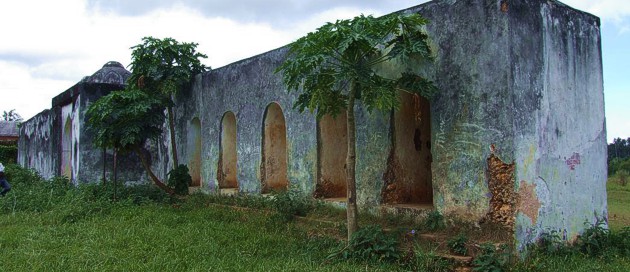 Persian baths.
Visit the Kizimbani Village
The Zanzibar Spice Tour proceeds to the Kizimbani Village in the Central District to visit the spice farms to see, smell and test varieties of tropical fruits and spices such as black pepper, coriander, cardamom, cinnamon, cloves, ginger, vanilla sticks, lemon grass, nutmeg etc.
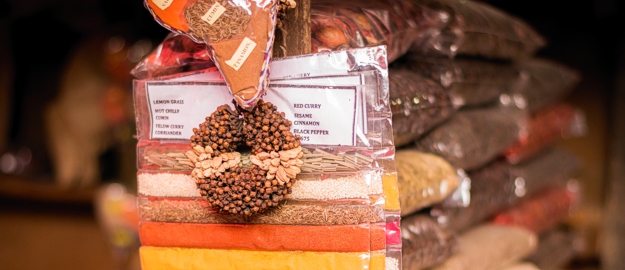 Spices at Kidichi Spice Farms.
Prices for Spice Tour
| Categories | Basic | Premium | Plus |
| Adult | $15 | $30 | $40 |
| Child (5-10) | $10 | $25 | - |
| Baby | - | - | - |
| Group from 5 | $10 | $25 | $35 |
| Single supplement | $5 | $5 | $5 |
| Price Inclusions | |||
| Tour guide (English) | |||
| Entry: Kizimbani farms | |||
| Bottle of water | |||
| Soft drinks | - | ||
| Alcohol (adults only) | - | - | |
| Lunch | - |
Pick-up and drop off would be calculated for you separately depending on your location.
Transfers Special Discount
| 🎁 All transfers within the 2km radius from the tour site are completely free of charge. This is applied immediately upon booking. No coupons or offer codes necessary. |